

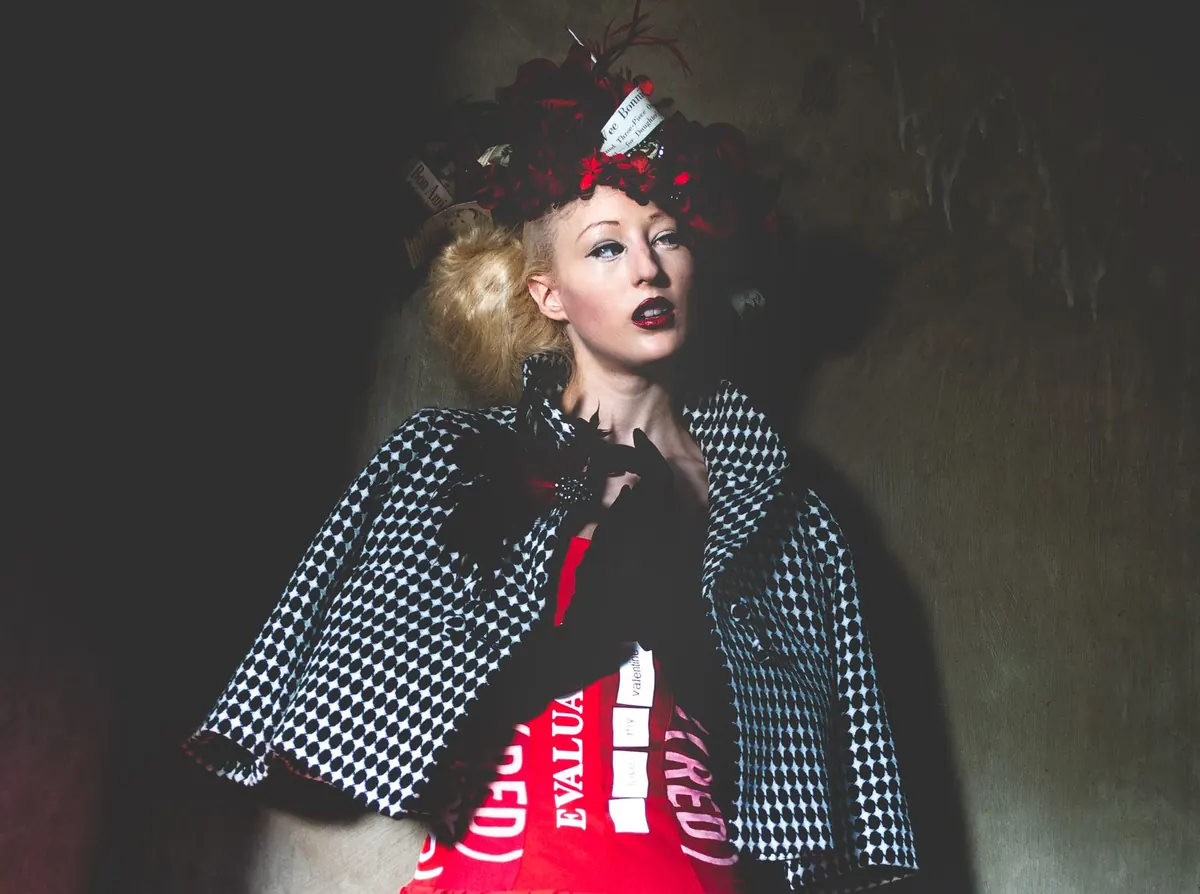
Two bookings arrive on the same morning. The first is a six-page story for an independent magazine: one photographer, a stylist with a rack of borrowed clothes, and a mood board that reads more like a poem than a plan. The second is a two-day e-commerce job for a mid-size label: a shot list, a client monitor, and a target of sixty looks before the light goes. Both need a model. Neither will feel remotely the same.
What Editorial Work Asks of You
Editorial exists to communicate an idea. The photographer and stylist are building a world, and you're the person who makes it legible. Expect fewer images and more time on each one; a full day might yield a dozen usable frames. Direction can be deliberately vague — "walk like you're late for something," "give me a version of this that's colder." Your job is to offer choices rather than wait for instructions. You'll be asked to hold a shape long enough to be lit, then repeat it after a wardrobe change.
Pay is usually modest. What you're buying with that lower rate is portfolio material, relationships with photographers and editors, and the credibility that makes commercial clients look twice.
What Catalog and E-Commerce Work Asks of You
Catalog and e-commerce exist to sell a garment clearly. The priority is accuracy and consistency: the waistband visible, the print undistorted, the fit readable, the expression pleasant and repeatable. You change fast, hit your mark, and deliver the same clean pose with small variations so the client has options without the set looking chaotic.
Someone from the brand may be on set, checking each frame against a shot list. A day can run from thirty looks to well over a hundred depending on how the set is organized. The skills are different from editorial: stamina, memory (you need to recall that you already shot the blue dress from the front), fast changes that don't wreck hair and makeup, and the discipline to keep a garment looking untouched between frames. Less glamorous, often more lucrative.
Shoot Pace: Two Very Different Rhythms
Editorial rhythm is slow and searching. There's time to adjust a sleeve, try the shot a second way, talk an idea through with the stylist. Downtime between setups is normal, not a sign that something is wrong.
Catalog rhythm is a metronome. Lighting barely changes, the shot list is fixed, and the pace is set by a number; you may get two or three frames per look before the stylist pulls the next piece. That speed rewards preparation. Know the order of the looks, keep your own rack tidy, and ask the stylist early where they want you standing so you aren't guessing at the top of every change.
Day Rates and What Actually Drives Them
A day rate is not one market number; it's a bundle. Two models at a similar level can be offered very different figures for the same ten hours because everything around the fee differs. The main factors:
- Usage: which media, which territory, and how long the client can run the images.
- Exclusivity: whether you're blocked from working with competing brands.
- Volume: how many looks or shots the day demands.
- Prep: fittings, camera tests, and whether those days are paid.
- Client type and market: a local boutique and a national retailer live in different budgets.
As a general pattern, editorial sits at the lower end of the pay scale and commercial catalog work at the higher end, because the client is buying an asset with a defined commercial life. But a generous-sounding catalog rate attached to a perpetual worldwide buyout is not generous at all. Read the whole offer — fee plus usage plus extras — and get the terms in writing before the shoot day. If a contract is long, exclusive, or open-ended, have someone qualified review it.
Usage Rights: The Clause That Outlasts the Shoot
Usage describes where an image can appear, for how long, in which territory, and in which media. Editorial usage is usually tied to the publication: a magazine run, perhaps a related social post, often with little or no additional fee. Commercial usage is where both the money and the risk sit. A term-limited license — twelve months of paid social in one country, for instance — is a finite commitment. A buyout is closer to permanent.
Before signing, check the term, the territory, the media list, and any sublicensing or renewal language. These terms vary by country and by contract, and a clause that's standard in one market can be unusual in another, so treat long-term or exclusive deals as something to have reviewed professionally.
Which One Fits You — and How to Work Both
Most working models do both, and that's healthy. Editorial keeps your book sharp; catalog pays the rent. The trap is treating them as interchangeable, or letting a heavy catalog schedule crowd out the shoots that build your reputation.
A quick self-check
- You like being given a direction and inventing three versions of it: lean editorial.
- You like knowing exactly what the client needs and nailing it every time: lean catalog.
- Repeating a pose forty times bores you: editorial, at least part-time.
- Vague direction makes you tense: catalog will feel calmer.
Questions to ask before accepting a catalog booking
- What's the fee, and is it a day rate or a flat project fee?
- What's the usage — media, territory, term?
- Is it a buyout, and if so, for what exactly?
- How many looks are expected in the day?
- Is there a fitting, and is it paid?
- Are overtime, travel, and meals covered?
- Does an exclusivity clause prevent other bookings?
How to Decide in Practice
Take the editorial job when the photographer or publication will meaningfully change your book, and take the catalog job when the usage is clear and the money reflects it. If you're new, do the low-paying editorial work deliberately, then use those tearsheets to negotiate better commercial rates.
Keep a simple record of your bookings — fee, usage, term, and how the day actually felt — and the pattern will tell you more than any general rule. When in doubt, ask what the images
Photo: Jacob / Pexels